Home / Architectural / 3D Photomontage
Architectural 3D Photomontage Rendering
Contextual architectural photomontage based on real site photography
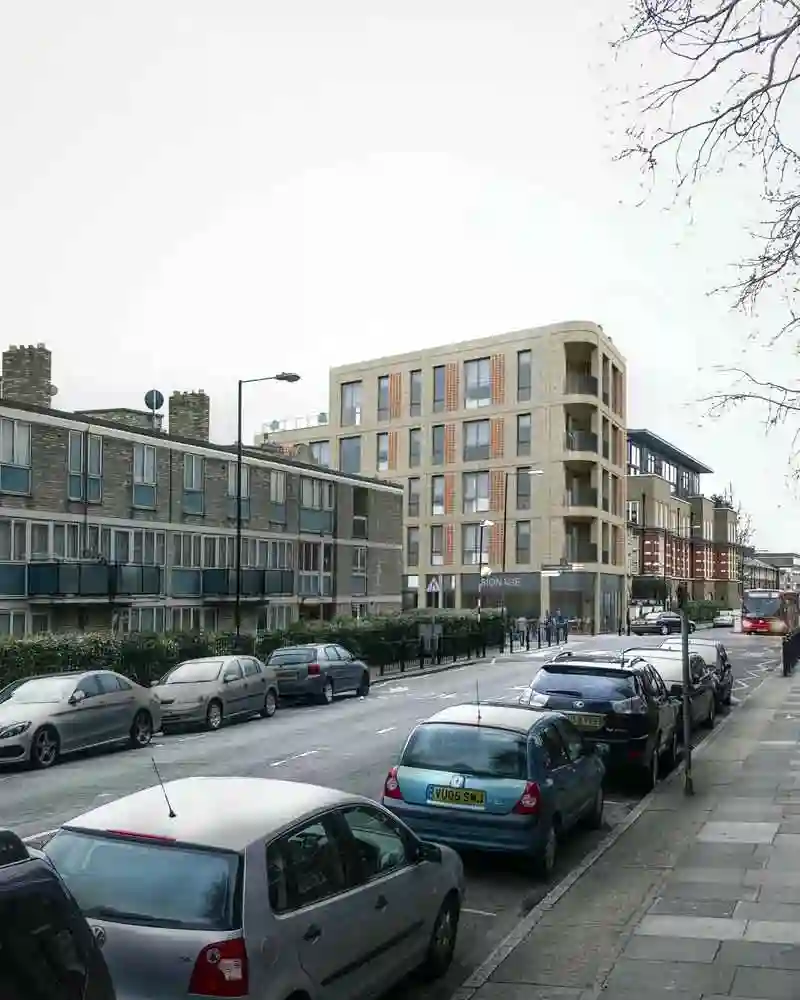
Our architectural 3D photomontage rendering service integrates a project’s 3D model directly into an existing site photograph. This approach is commonly used to show how a proposed building relates to its surroundings—street context, adjacent structures, landscape, and scale—using actual site conditions rather than a fully constructed 3D environment.
OUR WORKREQUEST PRICE
SINCE 2005
Experience with architectural 3D photomontage across project scales
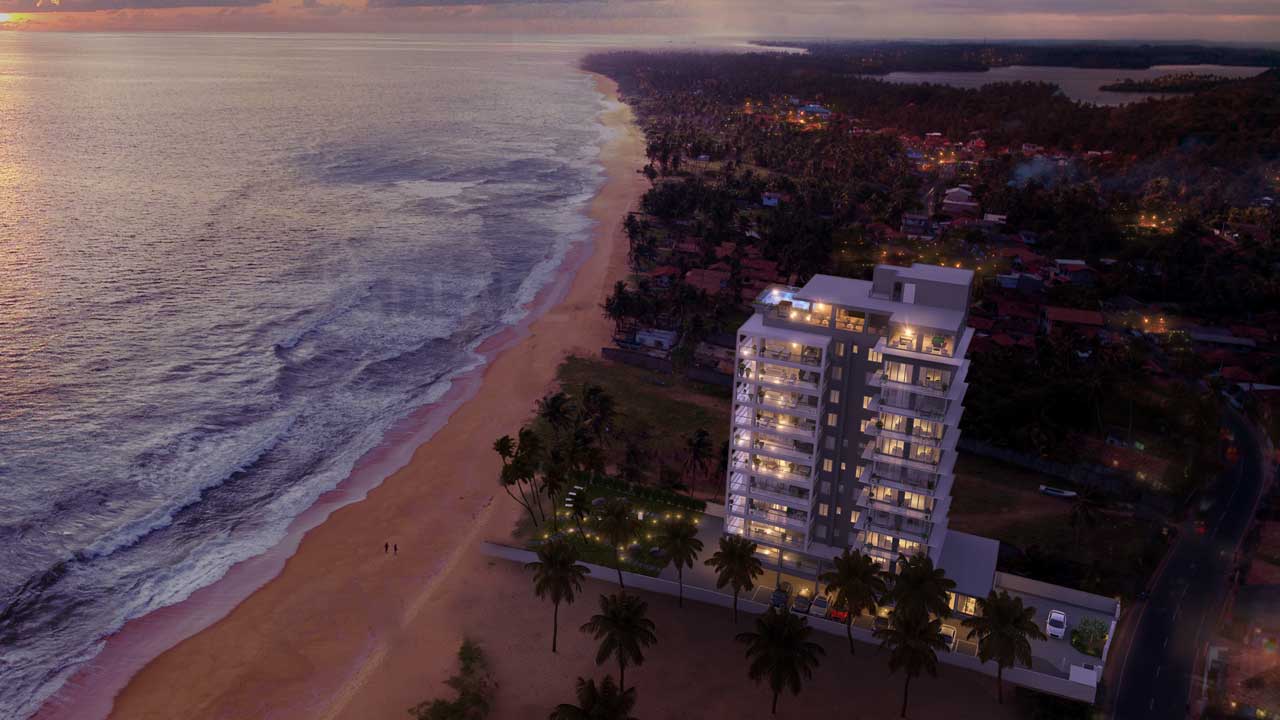
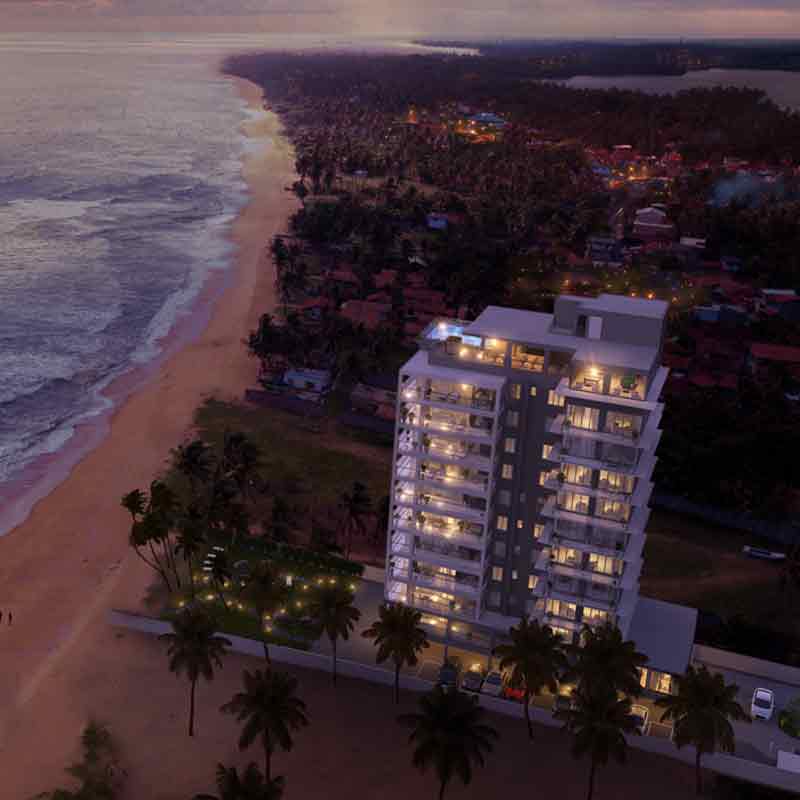
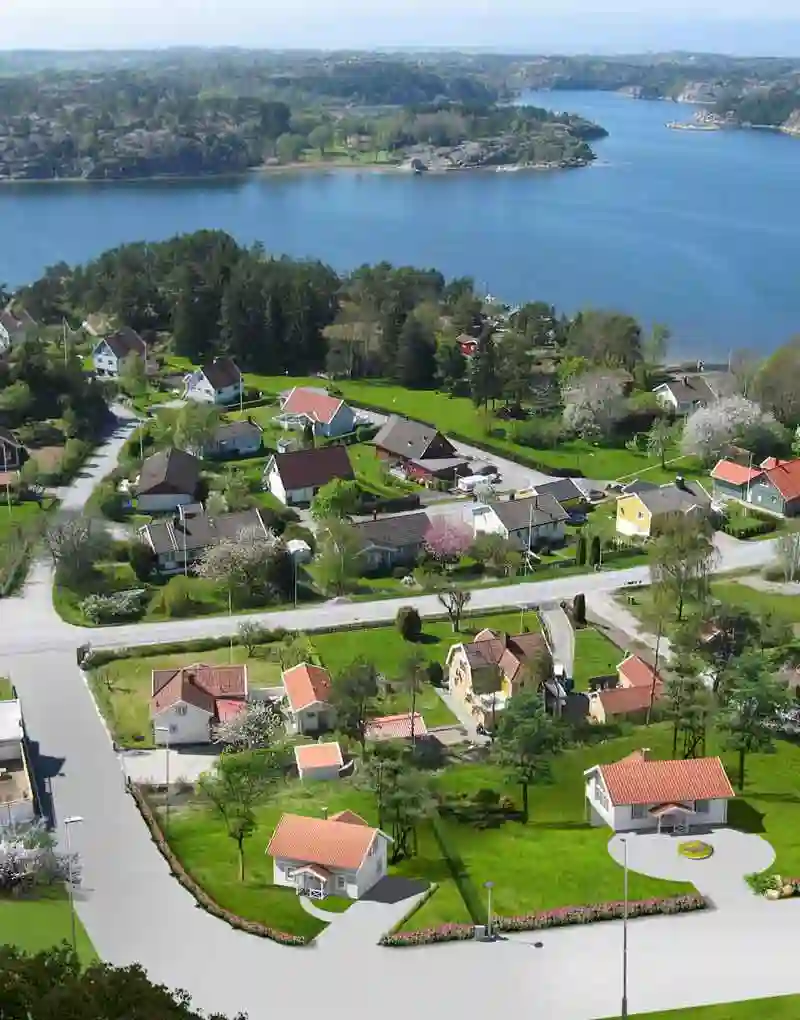
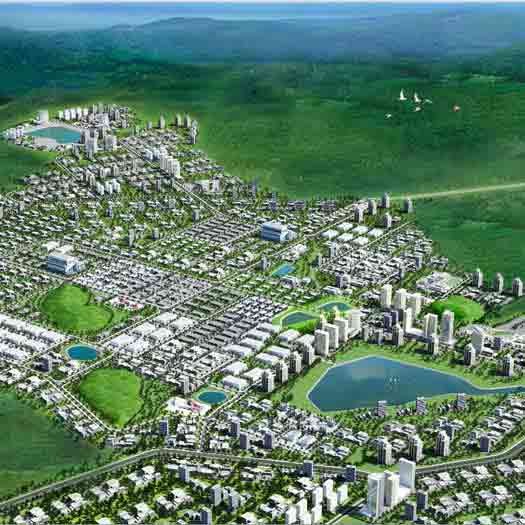
We’ve been preparing architectural photomontage views for over two decades as an architectural 3D visualization studio working across residential, commercial, and mixed-use developments of different scales. Some projects involve a single house on a constrained site, while others include multiple buildings within a larger masterplan. 3D photomontage views are prepared alongside exterior 3D renderings and, in some cases, aerial views, in which the building model is placed into drone-captured site photography.
3D Photomontage views are prepared for different audiences, and the image's purpose usually dictates how it is built. Architects and planning consultants often use them to review massing, alignment, and context during design or approval discussions. The level of detail, refinement, and visual emphasis is adjusted accordingly, based on how the images will be read and the decisions they are meant to support.
In addition to static photomontage views, we also create CGI composites for drone video footage, integrating the project’s 3D model into moving aerial sequences. These are typically used in 3D walkthrough animation to show the overall site layout and the relationships between buildings across the full project area.
3D Photomontage views are prepared for different audiences, and the image's purpose usually dictates how it is built. Architects and planning consultants often use them to review massing, alignment, and context during design or approval discussions. The level of detail, refinement, and visual emphasis is adjusted accordingly, based on how the images will be read and the decisions they are meant to support.
In addition to static photomontage views, we also create CGI composites for drone video footage, integrating the project’s 3D model into moving aerial sequences. These are typically used in 3D walkthrough animation to show the overall site layout and the relationships between buildings across the full project area.
Why 3D Photomontage
3D photomontage is used to understand how a proposed building sits within its existing surroundings.By placing the design into real site photographs, it becomes easier to assess scale, alignment, and overall relationship to neighbouring buildings and landscape.
Showreel – Architectural 3D Photomontage Rendering
This showreel brings together a selection of architectural 3D photomontage views produced for residential and commercial projects. The examples range from individual houses to larger multi-building developments, each created by integrating the project’s 3D model into real site photography.Watch 3D Renderings On

FEATURED WORK
Architectural 3D Photomontage – Aerial and Perspective Views




HOW DO WE DO IT
Our Architectural 3D Photomontage Production Process
Our architectural 3D photomontage process starts by creating a base 3D model from your drawings and reference materials. We also request high-resolution site photography, either from street level or from aerial drone views, as required by the client. The chosen image should match the intended camera angle, as this guides the alignment of the 3D model within the real context.
After reviewing the model, we integrate it into the site photograph, ensuring accurate scale, perspective, and levels. We share an initial composite for your approval before developing materials and façade details. Following your final review, we deliver the high-resolution 3D photomontage, ready for planning, design presentations, or marketing.
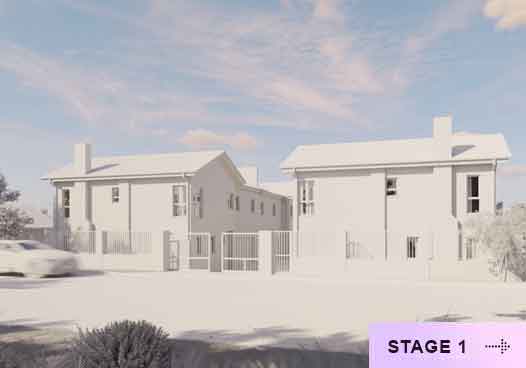
3D Modelling
Developing the building’s 3D model based on the 2D architectural drawings.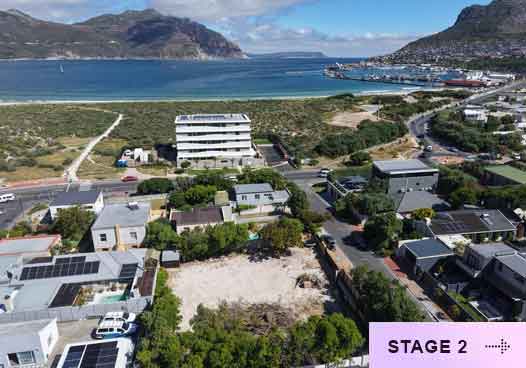
Site Photography
Providing a high-resolution site photograph captured from the required viewpoint.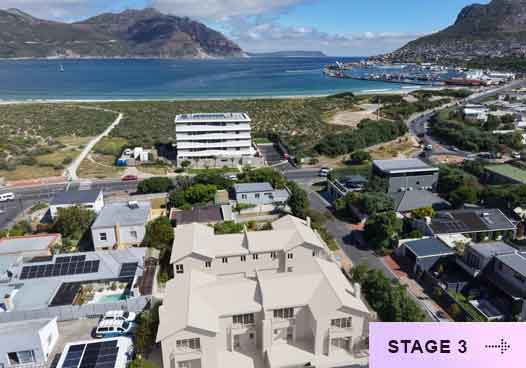
Model Integration
Placing the 3D model into the site image with accurate perspective and contextual alignment.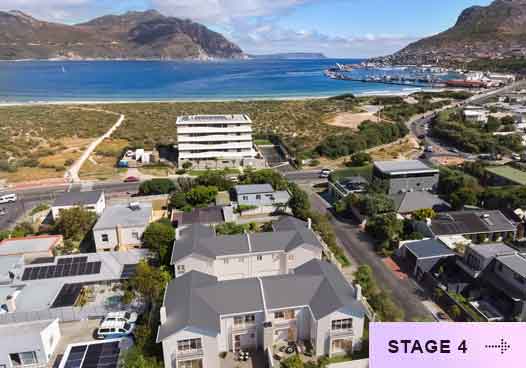
Final View
Applying façade materials, textures and lighting to match the existing site photograph.Benefits of 3D Photomontage for Architects and Developers
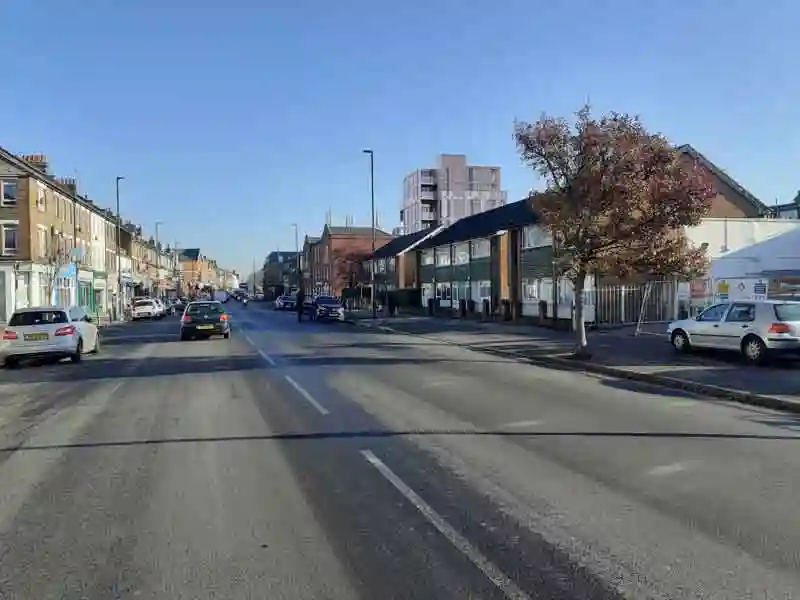
3D Photomontage in Existing Context
A 3D photomontage is not simply an image of a proposed building. It places the design within its real surroundings, allowing it to be assessed against actual streets, neighbouring structures, and landscape conditions.Photomontage for Real Estate Marketing
In a real estate context, photomontage views help present a proposed development within its actual surroundings. This can make location, access, and neighbouring context easier to understand for prospective buyers. Rather than relying on isolated building visuals, the project is shown as it would appear within the existing site, supporting clearer communication during marketing and pre-sales stages.How Architects Use Photomontage in Client and Planning Reviews
3D photomontage helps translate drawings into something clients can relate to more easily. While plans and elevations are essential for design development, not every client is comfortable reading them. By placing the proposal within a real site photograph, discussions about scale, façade treatment, and street presence become more straightforward. This often reduces misunderstandings and makes feedback more specific and constructive.When Context Makes the Difference
By placing the design into real site photography, the relationship between the building and its context becomes easier to assess at a glance.The team at 3DLabz is a pleasure to work with, always customer-focused and responsive. We look forward to working together again in the future.

Pamela Klassen
CEO, HomeLife Glenayre Realty Co. Ltd., Abbotsford, Canada
SEE ALL REVIEWS
How to Capture the Right Base Photo for 3D Photomontage
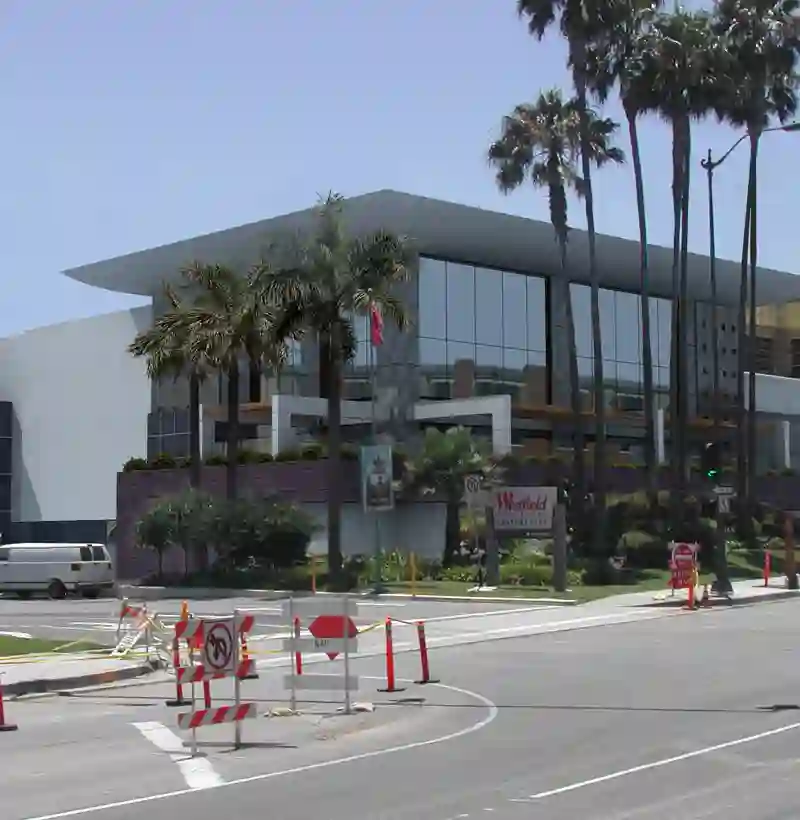
The accuracy of a 3D photomontage depends on the quality of the site photograph. The image should be taken from the intended viewpoint, whether street-level or aerial. Using a tripod and noting the camera height or drone altitude helps ensure correct perspective alignment when integrating the 3D model.Lighting should be even, avoiding harsh midday shadows where possible. High-resolution images with minimal distortion, along with basic details such as focal length and viewing direction, make the photomontage process more accurate and efficient.
Why Choose 3DLabz for 3D Photomontage Rendering
Our approach to architectural 3D photomontage is grounded in accuracy, context, and practical application. Each project is developed with attention to site conditions, alignment, and intended use.- Precise Integration - We integrate the 3D model into site photography with accurate scale and perspective alignment.
- Project Experience - Experience across residential, commercial, and large-scale developments, including urban contexts.
- Structured Review - A staged workflow confirms placement and composition before final detailing.
OUR WORKS
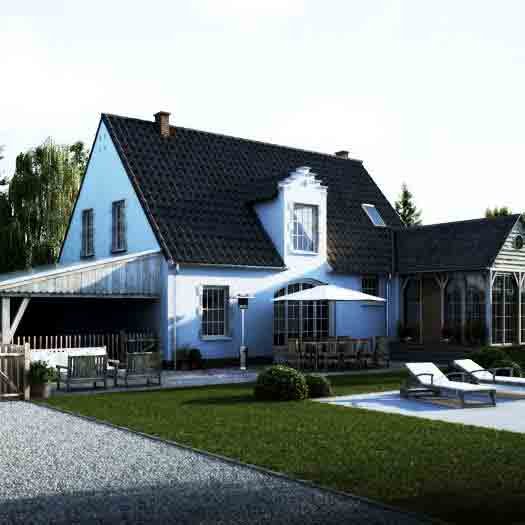
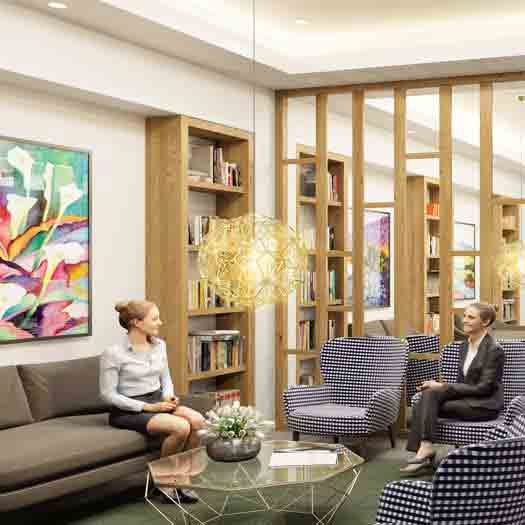
Selected Architectural 3D Rendering Work






Frequently Asked Questions
-
What is required to produce a 3D photomontage for an architectural project?
We require a high-resolution photo of the site, design drawings, and details about textures, colours, and other relevant building features.
-
How many revisions can be made during the photomontage production process?
Three rounds of corrections are allowed within the cost during the photomontage production process.
-
How long does it typically take to create a photomontage image?
The production of a photomontage image typically takes 5-7 days.
-
What is the required size for the site photo to be submitted?
We require a minimum of 5000 pixels for the site photo. If the picture is of low quality, it will affect the quality of the final render.
-
Can you generate multiple photomontage images from different angles?
Certainly! If you provide site photos captured from different angles, we can integrate the 3D model of your project accordingly.
3D Photomontage Rendering Price
The cost of 3D photomontage rendering varies depending on the project scope and level of contextual integration. Influencing factors include building complexity, site photograph quality, and surrounding detail. Dense urban or sensitive environments require precise alignment and refinement. The number of views also affects pricing, as some proposals need only one perspective, while others require multiple or aerial viewpoints.Understanding 3D Photomontage Costs: Key Pricing Factors
Some of the key factors influencing the price include:- Project Complexity: Architectural design, façade intricacy, and surrounding context dictate modelling and detailing requirements. More intricate compositions demand extra development time.
- Number of Views: Multiple perspectives, street-level and aerial variations, or phased developments expand the project scope.
- Site Photography Quality: Images needing perspective correction, environmental cleanup, or context reconstruction may require additional work.
- Revisions: A defined number of review stages are included in the base scope. Additional revisions beyond the agreed-upon stages are treated separately.
LET'S DISCUSS
Request a Free Quote
For a project-specific estimate, you may share the relevant drawings and site information for review.