3D Cross Section Rendering for Architectural Projects
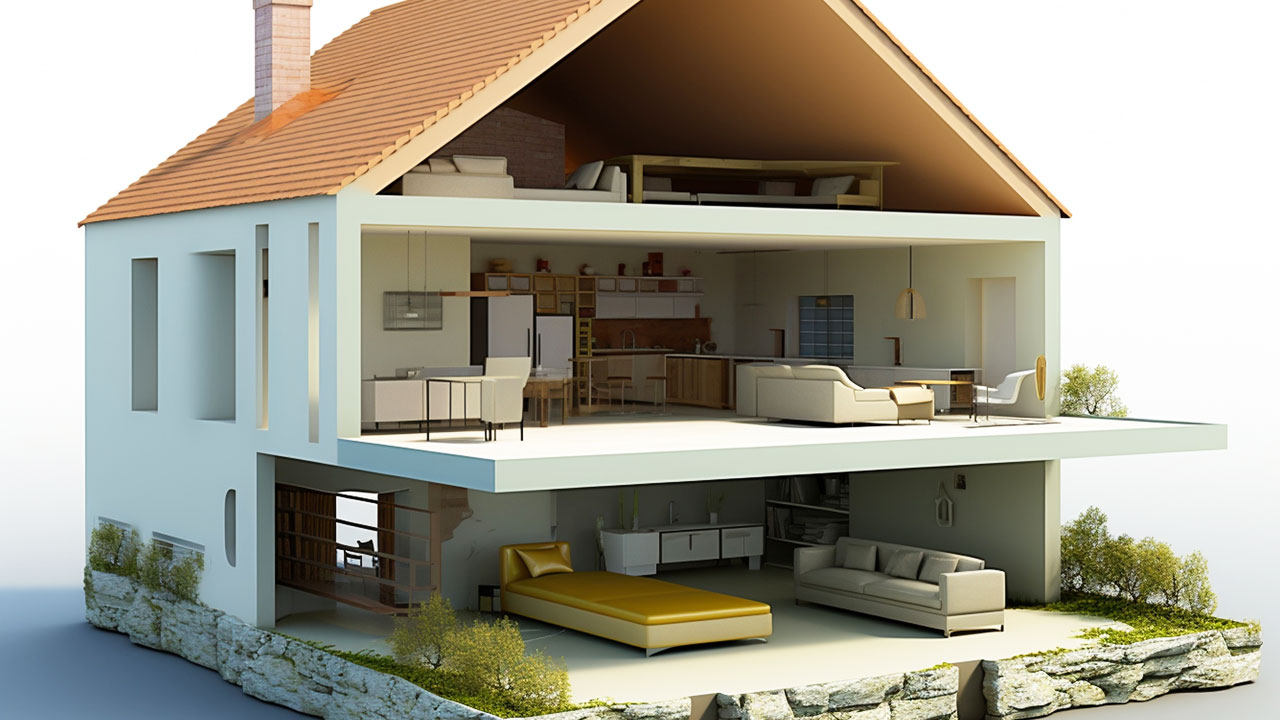
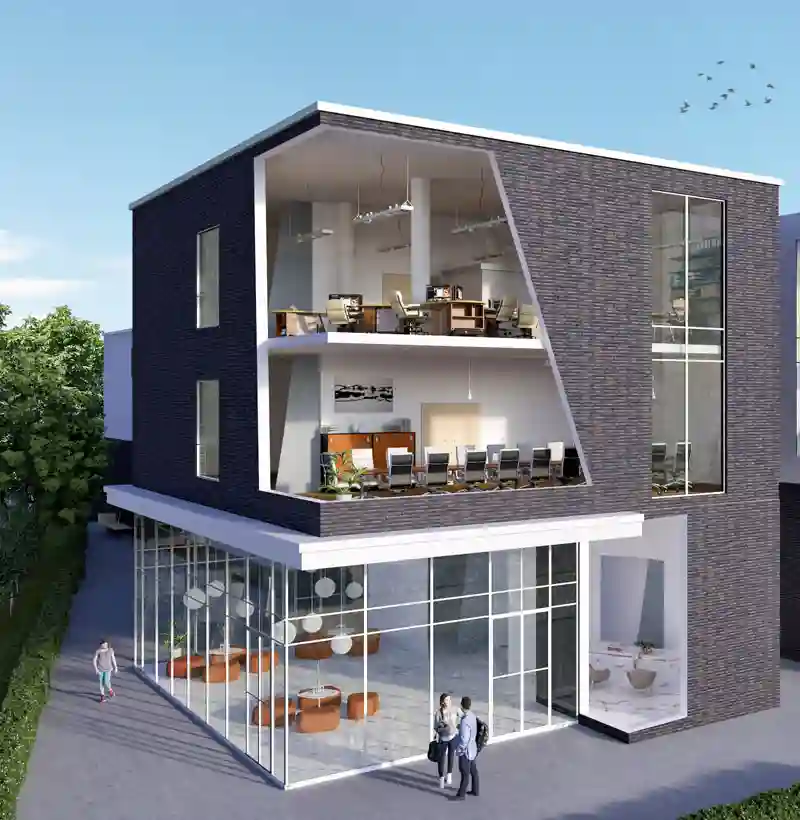
Architectural cross section 3D views showing interior structure and spatial relationships
3D Cross Section Rendering Across Residential and Commercial Projects
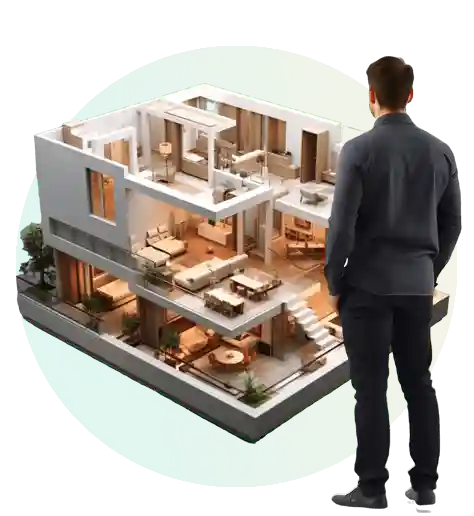
Cross section views are typically developed alongside our broader 3D architectural rendering services, often in coordination with exterior rendering and interior rendering outputs. While exterior views focus on massing and façade expression, and interior views highlight spatial atmosphere, cross sections clarify how these elements connect through structure, levels, and circulation.
Why 3D Cross Section Rendering
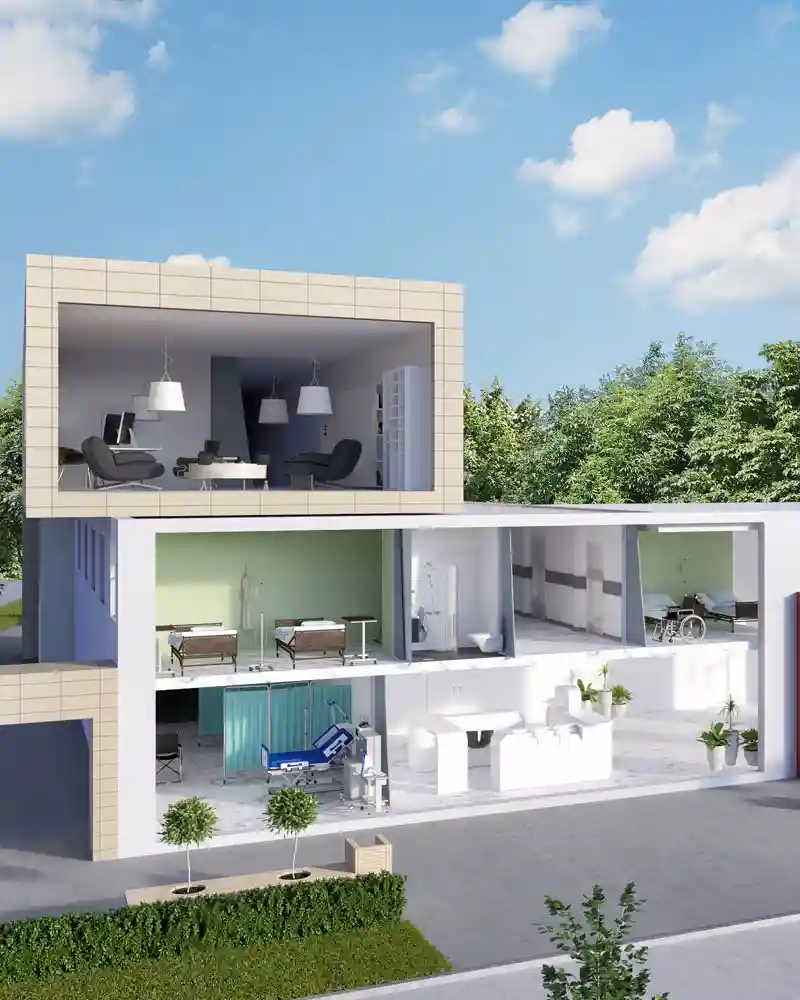
3D cross-section rendering is used to understand how a building is organised internally and how different spaces connect vertically and horizontally.By cutting through the structure, it becomes easier to assess floor levels, circulation routes, structural systems, and the relationship between interior spaces and the overall building form.
Showreel – Architectural 3D Cross Section Rendering
This showreel presents a selection of architectural 3D cross-section views developed for residential and commercial projects. Our 3D visualization portfolio range from individual houses to larger mixed-use and multi-building developments, each illustrating interior organisation, structural systems, and vertical relationships within the overall design.Watch 3D Renderings On

Architectural 3D Cross Section and Cutaway Views


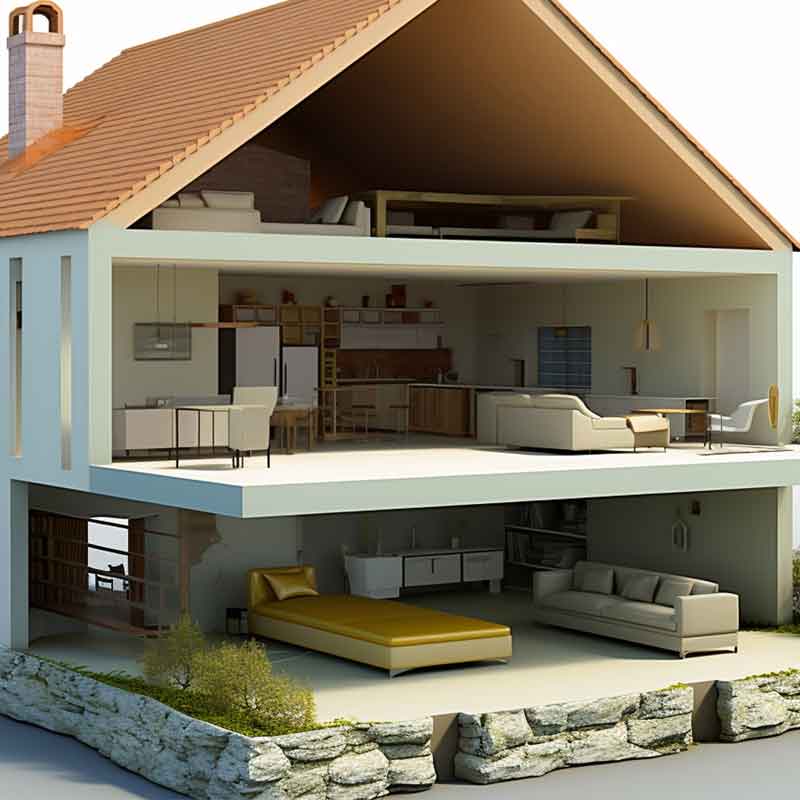
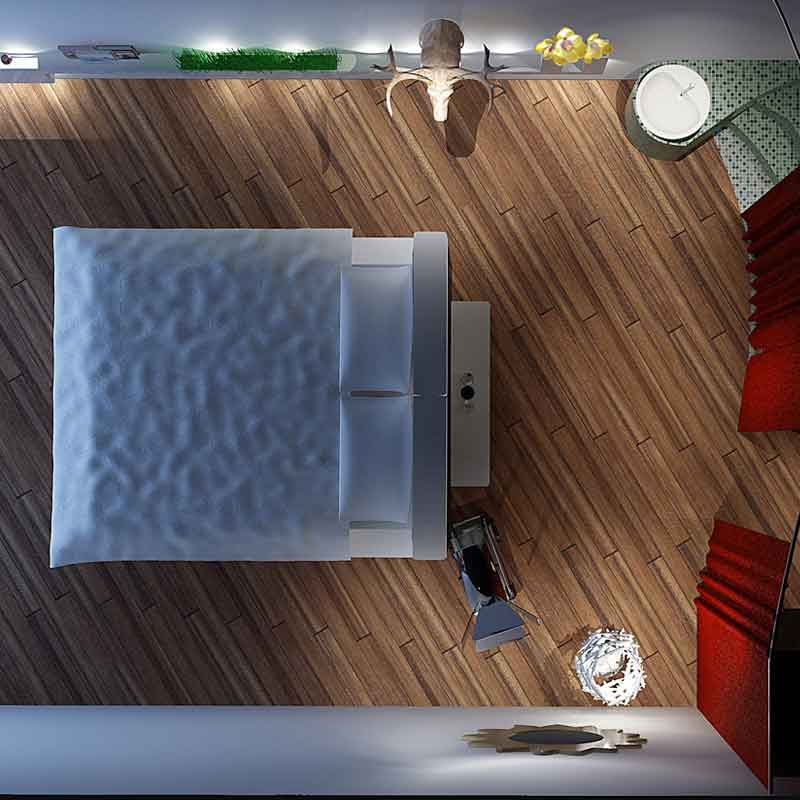
The Use of 3D Cross-Section Rendering in Real Estate Marketing
Architectural 3D Cross Section - Revolutionize Your Visualization
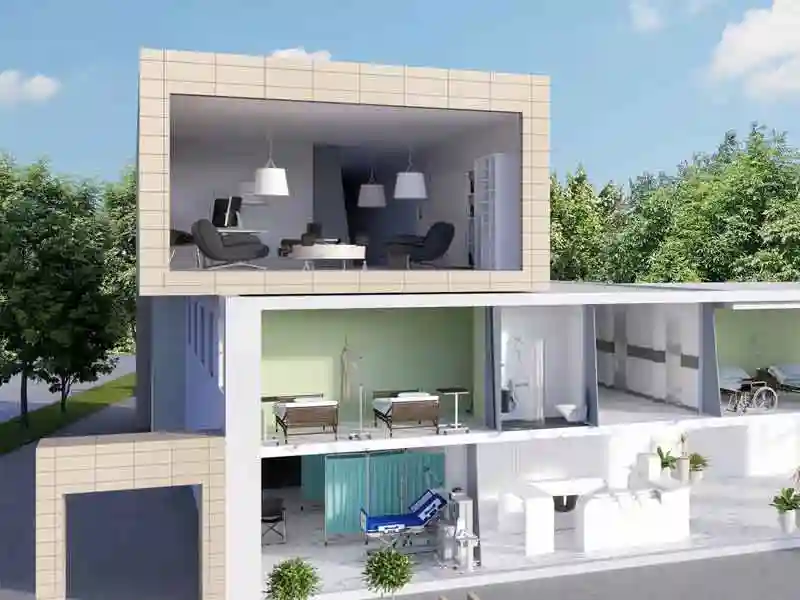
Revealing Interiors: 3D Cross Section Beauty
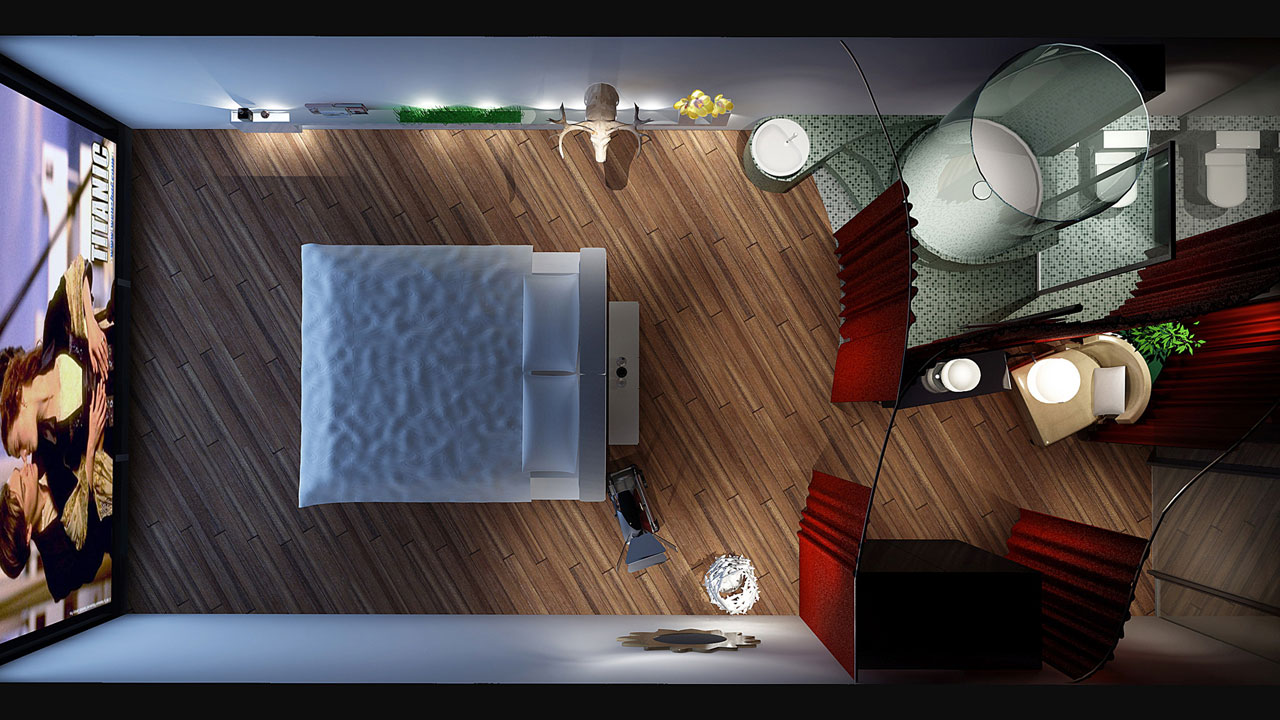
3D cross-section rendering unveils the beauty of interior spaces, cutting through exterior layers to showcase detailed design, the interplay of light and shadow, and the overall harmony of the space.Compelling Marketing Collateral for Real Estate Marketing
3D cross-sections provide a clear and realistic visualization of the interior and exterior spaces of a building. It enhances client understanding of interior details, allowing them to better engage with the design and make informed decisions about their preferences.Improving Communication between Architects and Clients for Better Collaboration
Including 3D cross sections in presentations adds professionalism and sophistication to the architectural visualization. It helps clients to understand the relationships between different rooms, floors, and components, which might be difficult to grasp from traditional 2D drawings or standard 3D visualizations.When the Interior Tells the Story
By cutting through the building, the internal structure and spatial relationships become immediately clear, allowing teams to understand how floors, circulation, and systems connect within the overall design.The team at 3DLabz is a pleasure to work with, always customer-focused and responsive. We look forward to working together again in the future.

Pamela Klassen
CEO, HomeLife Glenayre Realty Co. Ltd., Abbotsford, Canada
SEE ALL REVIEWS
Detailed Sectional 3D Views for Design Communication
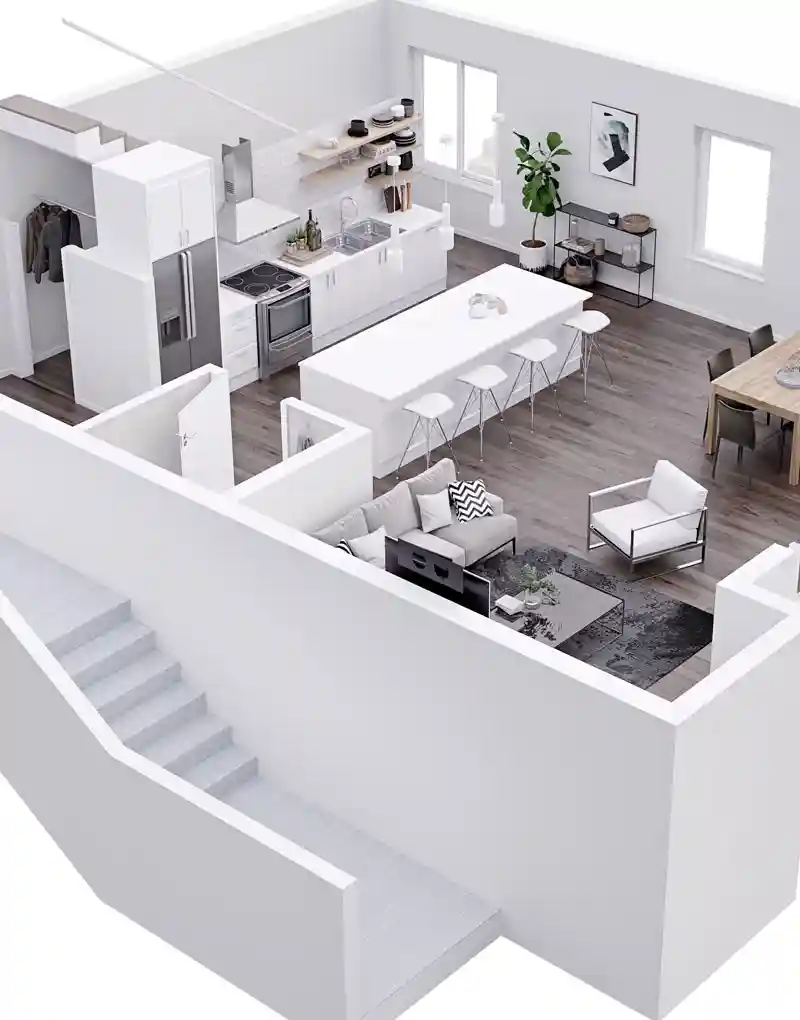
Our 3D cross section render images can exhibit your design with breathtaking realism, enabling viewers to admire every intricate detail, material texture, and lighting effect. With our cross section 3D rendering services, you can attract more clients and sell more properties.A sectional view often explains things that plans and elevations cannot show on their own. It gives a clearer sense of how spaces stack, how light enters, and how materials transition from one level to another. For clients and non-technical stakeholders, this makes the design easier to understand, while for architects and consultants, it provides a concise way to discuss coordination and spatial intent in a single image.
Why Choose 3DLabz for 3D Cross Section Rendering
Our approach to architectural 3D cross-section rendering is grounded in clarity, accuracy, and practical application.- Accurate Section Placement – Section lines are positioned to clearly reveal spatial organisation, circulation, and structural systems.
- Project Experience – Work delivered across residential, commercial, hospitality, and mixed-use developments.
- Structured Review – A staged workflow confirms section alignment and layout before materials and detailing are finalised.
Selected Architectural Visualization Projects







Frequently Asked Questions
-
What is a cross sectional 3D rendering in architecture?
A cross-sectional 3D rendering in architecture provides a sliced view of a building, showcasing its interior design and layout.
-
How do you create a cross-sectional 3D rendering of a house?
To generate a cross-sectional 3D rendering, model the house in 3D software, apply textures to the exterior, insert a section plane for cutting, and add interior details such as furniture and lighting before high-quality rendering.
-
What files and information are required to generate a cross-sectional 3D view of any building?
To generate a cross-sectional 3D view of a building, we require architectural drawings, exterior material and texture specifications, and details about furniture, fixtures, lighting, and client preferences.
-
How much time is required to create a 3D cross-sectional view of a building?
The time required to create a 3D cross-sectional view of a building can vary depending on factors such as the complexity of the building and the level of detail needed. Usually, we complete one 3D view in 5-7 days, including time for revisions.
-
Can you render multiple views taken from different viewpoints?
We provide a quote for one 3D view from a single angle. Additional images will incur an extra cost, which will be lower than the price of the first image.
3D Cross-Section Rendering Price
The cost of 3D cross section rendering depends on project scope and sectional complexity. Architectural detail, structural systems, interior layering, and vertical circulation influence development time. Pricing also varies based on the number of sectional views required, as some projects need a single cut while others require multiple sections or perspectives.Understanding 3D Cross Section Rendering Costs: Key Pricing Factors
Some of the key factors influencing the price include:- Project Complexity: Building geometry, structural coordination, and sectional depth determine modelling effort and development time.
- Level of Detail: Inclusion of materials, interior elements, furnishings, and lighting conditions increases refinement requirements.
- Number of Views: Additional sectional cuts or perspective sections expand the overall scope.
- Image Resolution: Higher output resolutions or presentation-scale images require longer rendering and processing time.